
Home / Better sleep / Circadian light

Light that follows the day

Circadian Light.

Cooler, brighter light by day, warmer light in the evening, dark at night. The Nobi Light changes its colour temperature with the day on its own, in the Nobi Lights and in Nobita.

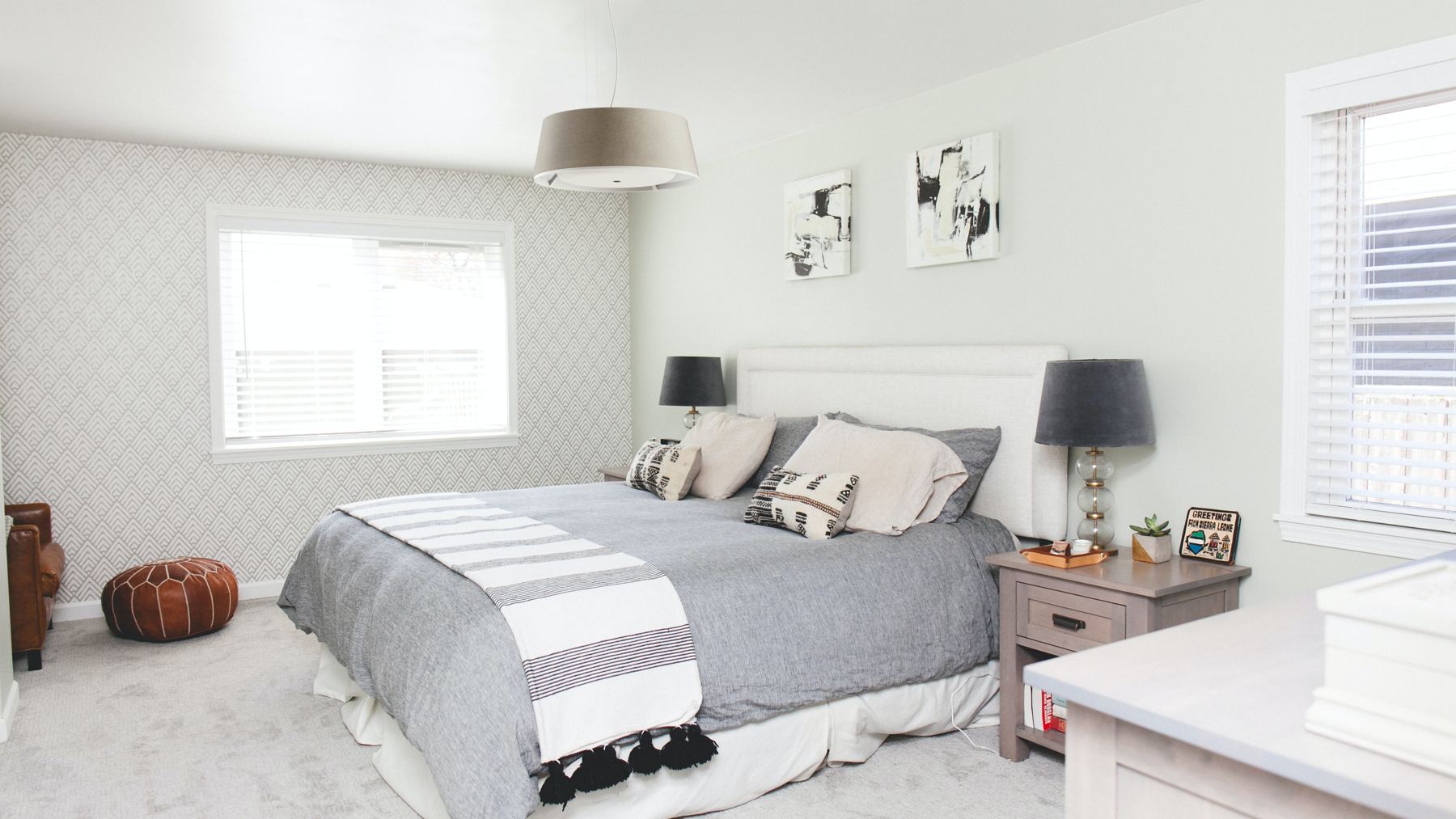
A resident's bedroom with a Nobi Pendant light above the bed.

One day in the room

Daylight by Day, a Soft Light at Night.

The same light follows the day: cooler and brighter towards midday, warmer in the evening, off while the resident sleeps.

Bathroom

Cooler, brighter light to start the day.Daylight indoors, for residents who spend most of their day inside.

The lighting research behind this is summarised below, with all sources.

Why it matters

Older Eyes Need More Light.

Light is the strongest signal the body clock has. It tells the brain when it is day and when it is night, and with that it times sleep, alertness and mood.

With age, the lens of the eye yellows and the pupil narrows, so less of that signal reaches the brain. At the same time, residents spend most of the day indoors, where light is dimmer and warmer than daylight. The body clock gets a weak signal by day, and often too much light late in the evening.

0×

more light is needed by people in their 80s and 90s for the same effect on the body clock as a 10-year-old.

Turner & Mainster, 2008 · Br J Ophthalmol
0 lux

median daytime light level measured around nursing home residents, with only 10.5 minutes a day above 1,000 lux.

Shochat et al., 2000 · J Sleep Res
0 min

shorter melatonin night when healthy adults sat in ordinary room light in the hours before bed, compared with dim light.

Gooley et al., 2011 · J Clin Endocrinol Metab

What the research shows

Better Days, Calmer Nights.

Studies in care settings that brought more light into the day, and less into the night, found effects on sleep, mood and agitation, especially for people living with dementia.

Sleep

In a randomised trial in 8 long-term care facilities, all-day lighting tuned to the body clock improved sleep quality in residents with dementia: the Pittsburgh Sleep Quality score went from 10.3 at baseline to 6.7, against 8.4 with control lighting (lower is better).4

A review of 24 randomised trials with 1,074 people with dementia found small to medium improvements in sleep quality, sleep efficiency and night-time awakenings.6

Mood

In 12 Dutch care facilities, whole-day bright ceiling light (about 1,000 lux, used for 15 months on average) reduced depressive symptoms by 19% compared with ordinary light (about 300 lux).3

A Norwegian trial with ceiling LED light that follows the day found fewer affective symptoms after 16 weeks.5

Agitation

In the same trial in long-term care, agitation scores fell by 5.5 points with the tuned lighting, against 1.5 points with control lighting.4

The review of 24 trials found a medium-to-large effect on agitation.6

Daily life

In the Dutch trial, the light also slowed cognitive decline by 5% and the loss of everyday abilities: the increase in limitations in daily activities was 53% smaller.3

The researchers found no adverse effects of long-term whole-day bright light.3

In the Nobi Light

Built In, Automatic.

Every room

In the Nobi Pendant and Nobi Ceiling in bedrooms and living rooms, and in Nobita in the bathroom.

Follows daylight

The colour temperature changes with the day, from 2700 K to 6500 K, without anyone setting it.

Evening and night

Warmer and softer towards the evening, off while the resident sleeps.

When they get up

A soft glow when a resident sits up and a lit path to the bathroom, so the night stays dark the rest of the time.

See It in a Room.

A short call first, then a demo in a real room with your team: falls, calls, insight, privacy and your systems.

  • 30 minutes, online or on site.
  • With someone who knows senior living.