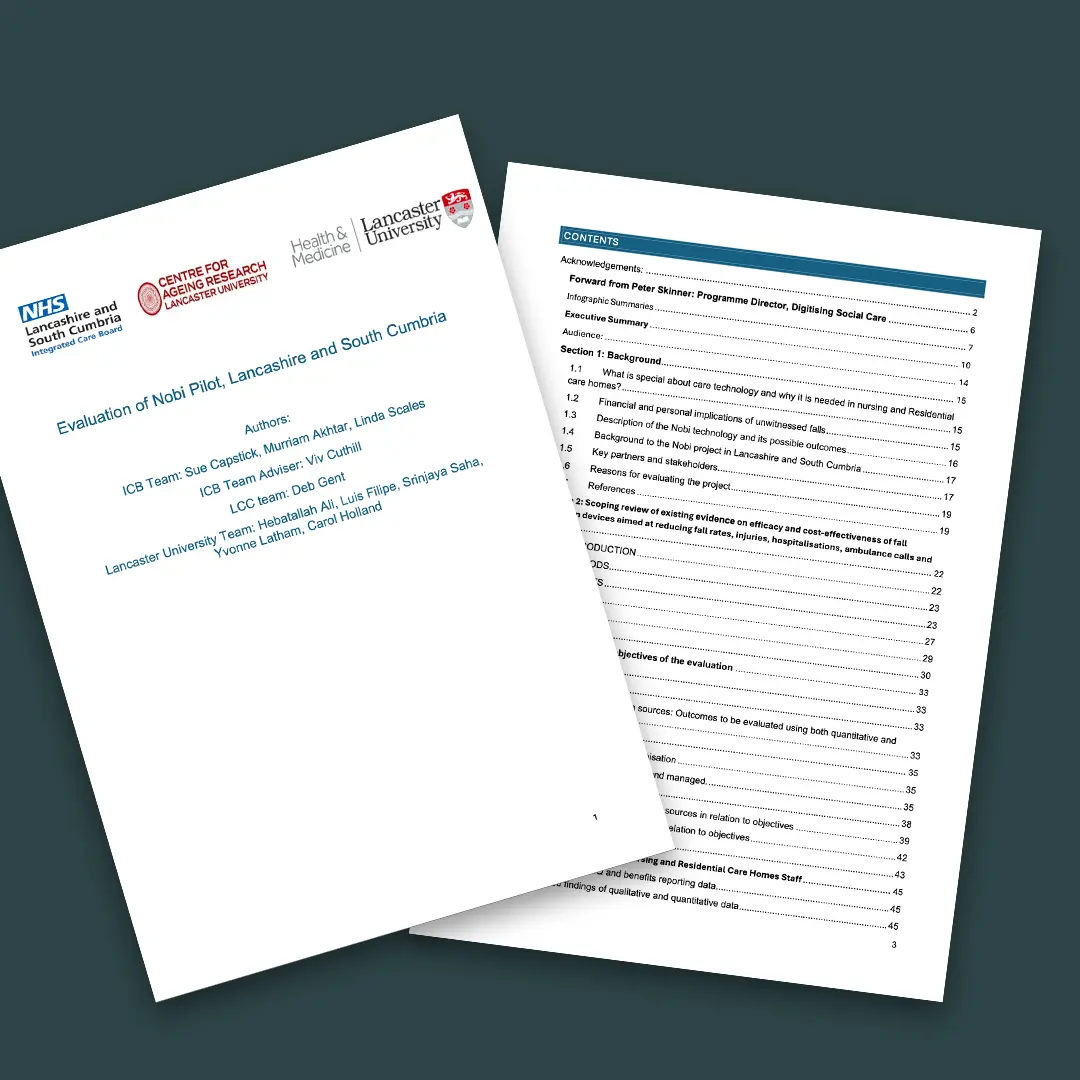
The Evaluation
Commissioned by Lancashire and South Cumbria Integrated Care Board (LSC ICB) and independently conducted by Lancaster University, this evaluation examined one of the largest care technology pilots in the UK to date. It was delivered under the NHS Digitising Social Care programme using a mixed-methods approach: North West Ambulance Service (NWAS) call-out data, a bespoke Care Home Staff and Managers Questionnaire completed by 228 respondents, qualitative analysis, benefits reporting, and a detailed deep-dive case study at Kendal Care Home.
The evaluation also includes the first scoping review of fall detection technology to examine cost-effectiveness alongside clinical outcomes, mapping 29 peer-reviewed papers and grey literature reports and positioning the Lancashire findings in the context of the wider evidence base.
Why Response Time Is Everything
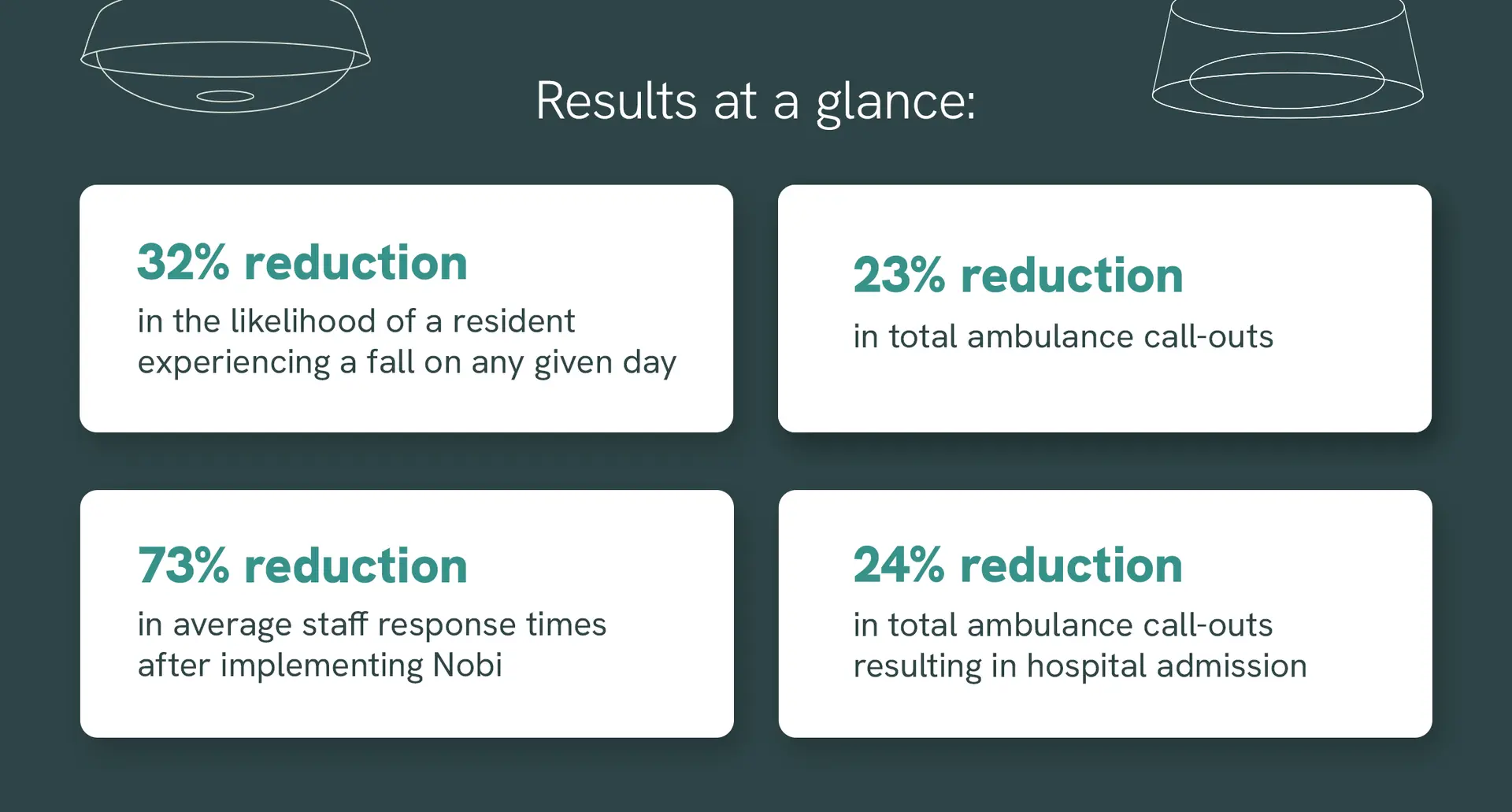
Falls are the leading cause of emergency admissions from nursing and residential care homes in Lancashire and South Cumbria. Each ambulance call-out costs around £252. A hip fracture costs the NHS £14,000–£14,600 in inpatient care alone, and carries a one-year mortality rate above 25%.
But the harm from a fall is rarely confined to the moment of impact. When a resident falls and nobody knows for 11 minutes, the consequences compound. Pressure injuries. Dehydration. Rhabdomyolysis. A trajectory from residential care into acute settings, and sometimes away from independence altogether.
Nobi changes that window from 11 minutes to under 3. That is not a marginal improvement. It is the difference between a managed incident and a preventable harm.
Detection and Prevention
One of the most significant findings in the Lancaster evaluation is Nobi's role in preventing future falls, not just detecting current ones. The playback facility allowed staff to review the circumstances of each fall and identify what caused it, furniture placement, footwear, nighttime disorientation, movement patterns, and change conditions accordingly.
This is how a fall rate of 1.85 per resident per month becomes 1.28. Not through faster response alone, but through the insights that faster, more visible response makes possible.
The evaluation also documents Nobi's contribution to sleep quality. Sleep reports generated by the lights helped staff identify disturbances, inform medication reviews, and reduce unnecessary night-time check visits, improving rest and reducing fatigue-related fall risk across participating homes.
What Changed Day-to-Day
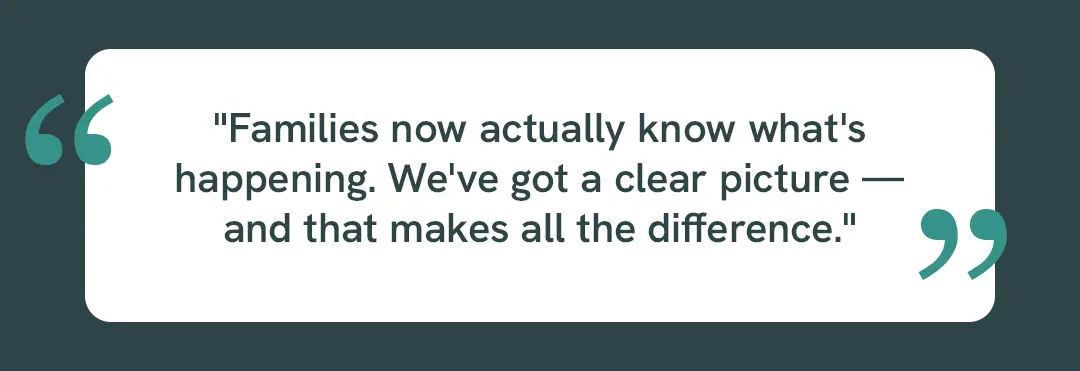
Alongside the quantitative findings, the Lancaster evaluation documents consistent qualitative change across homes once Nobi became part of daily practice.
Care home managers and staff reported:
- Greater confidence responding to falls, particularly during night shifts
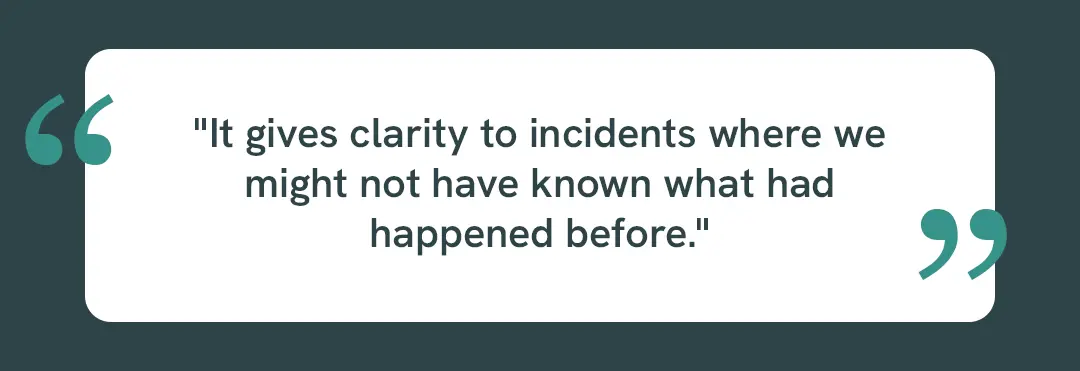
- Faster, better-informed triage, knowing what happened before anyone arrived in the room
- Stronger documentation supporting CQC compliance and safeguarding
- More personalised care: reduced monitoring for lower-risk residents, increased vigilance for those at higher risk
54% of care home managers said Nobi contributed to an overall improvement in resident well-being. 80% of staff felt confident using the technology to manage fall risk.
System-Level Value
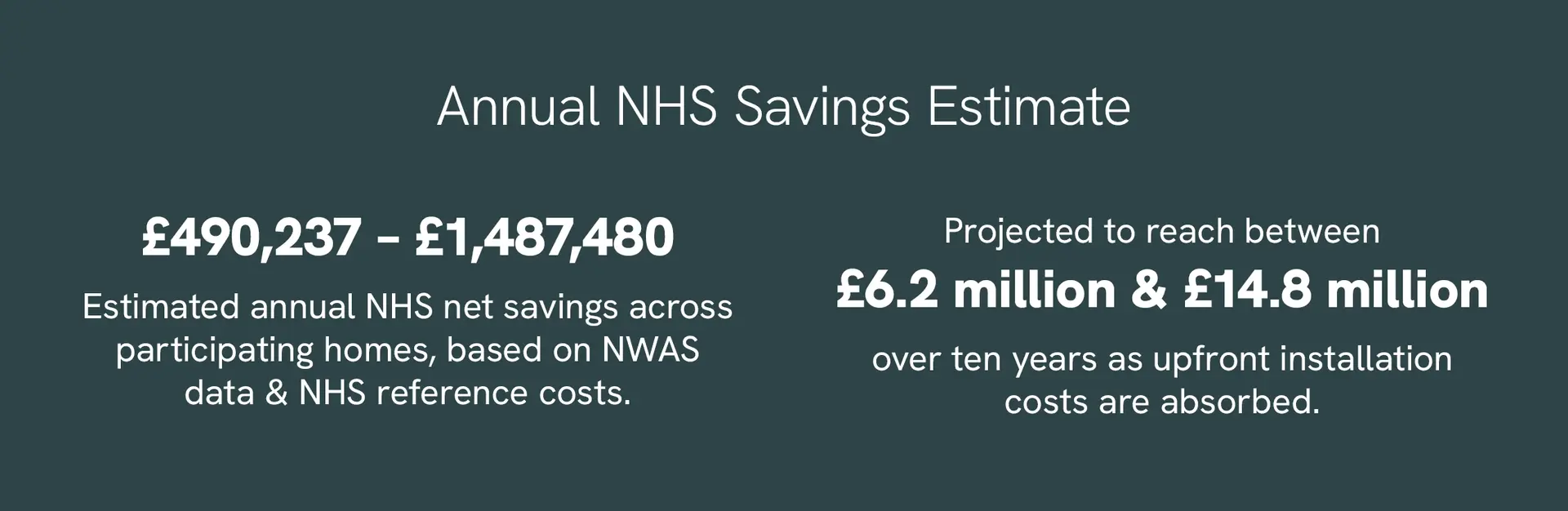
The evaluation's cost analysis is grounded in NWAS data and NHS reference costs, not vendor projections. Fewer ambulance call-outs and fewer hospital admissions mean reduced pressure on acute services and real financial savings for the system.
Across approximately 20% of rooms in 57 nursing and residential care homes, the intervention is estimated to have generated annual NHS net savings of between £490,237 and £1,487,480. These figures are projected to grow: between £2.9 million and £7.5 million at five years, and between £6.2 million and £14.8 million at ten years, as ongoing costs reduce to maintenance only from year three.
Lancashire County Council modelling, referenced in the evaluation, indicates that scaling to 450 Nobi lights in high-risk homes could prevent approximately 45 serious injuries, 23 fractures, and 5 hip fractures, generating around £546,000 in savings over three years.
The Basis for Scale
The evaluation makes direct recommendations for expanding the programme: integrating Nobi data into care home digital records, continued infrastructure investment, and broader deployment across homes with elevated fall risk in the wider ICS footprint.
The conclusions reflect where the evidence now sits. This is not a promising pilot. It is a proven intervention, independently evaluated at scale, with statistically significant results and a documented return on investment. The question the evaluation implicitly raises, and that commissioners are increasingly being asked to answer, is what an appropriate standard of care for high-risk care home residents now looks like.
Read the full independent Lancaster University evaluation
Click here to discover the report, or contact us to discuss what this means for your care environment.